Sun position is the first thing I check
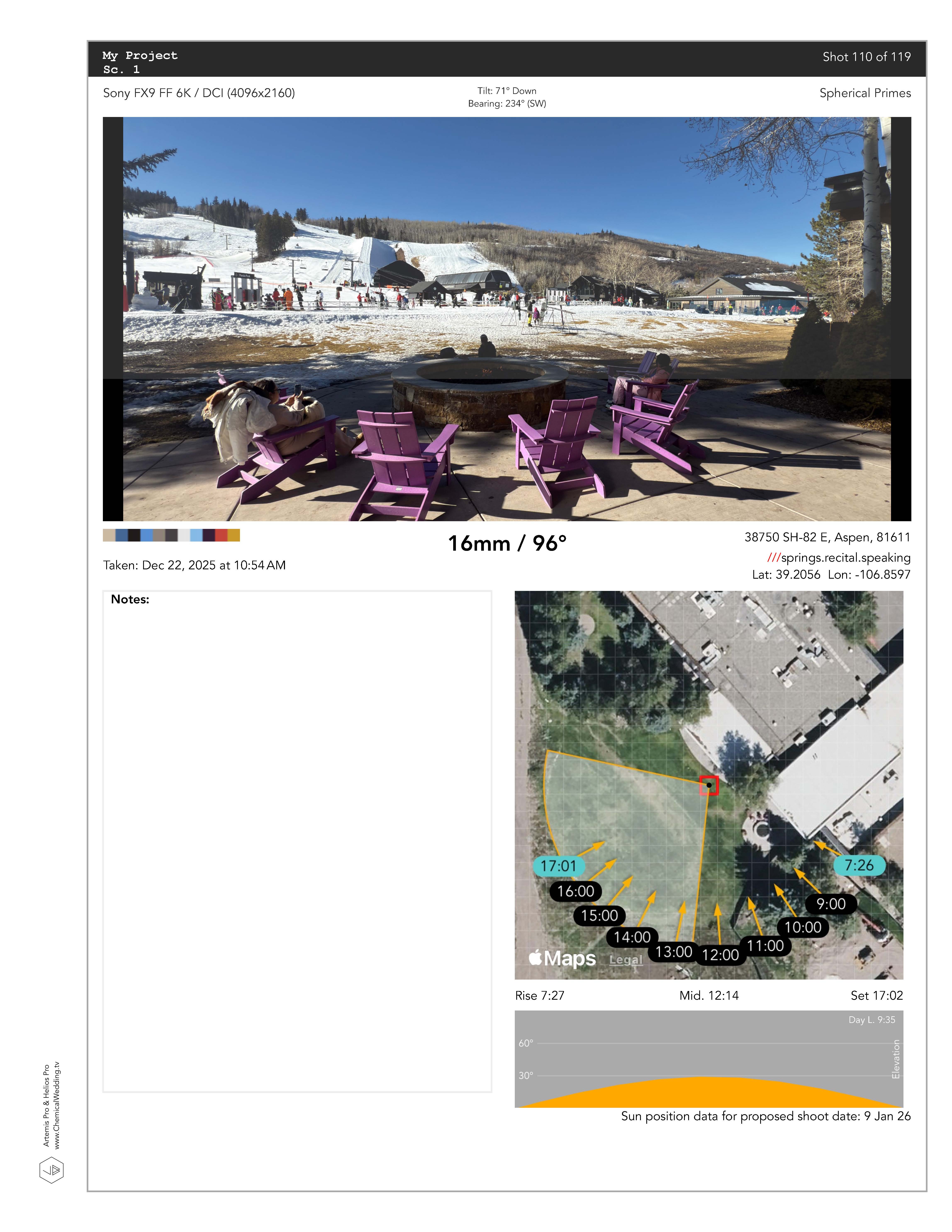
Before I walk into a location, I open PhotoPills or Sun Seeker and check where the sun will be at our call time on our shoot date. I want to know which direction it's coming from, what angle it's at, and — critically — how fast it's moving at that time of day. Early morning and late afternoon, the sun moves across the sky faster than most people expect. Golden hour isn't a metaphor for a leisurely light condition; it's a window that can close in fifteen minutes if you're not ready for it.
Once I'm in the space, the first thing I do is look at the windows. A north-facing window is one of the most valuable things a location can offer — it never receives direct sun, which means the light coming through it is indirect, diffused, and consistent throughout the day. You can shoot in a north-facing room at 9am and again at 3pm and the light quality will be close to the same. An east-facing window is beautiful first thing in the morning and useless by noon. A west-facing window is your golden hour friend. A south-facing window in a winter location will give you direct sun at midday, which is often the worst possible light for a portrait.
I make note of these and map them against the schedule. If we have talent work at 9am and the best window faces east, that's the room we're in at 9am. If the golden hour window faces west, I want my hero shots there at 4:30pm. This isn't guesswork or intuition — it's geometry and a compass.
Reading the existing light in the space
If there are practicals in the location — lamps, overhead fixtures, sconces — I turn them on during the scout and look at what they're doing. What's their color temperature? Cheap overhead fluorescents run cool (4000K+). Incandescent and warm LED bulbs run warm (2700–3000K). Daylight-balanced LED panels run neutral to cool. Mixed color temperature in a room isn't automatically a problem, but I need to know it's there before I'm on the day with a client watching.
I'm also reading the dynamic range of the space. A room with floor-to-ceiling windows and dark walls is going to be a challenging exposure situation — I'll need to decide whether I'm protecting the view outside or the face inside, and I can't do both. Knowing that during the scout means I can suggest we hang diffusion on a window, bring a different camera configuration, or simply adjust the blocking so the talent isn't backlit against a blown-out exterior. Any of those choices takes two minutes to make on a scout and thirty minutes to solve on the day.
Outdoor locations: what I'm tracking
For exterior work, I'm looking at shade and what creates it. A stand of trees that gives you beautiful dappled shade at 10am may be useless at 2pm when the sun has moved past it. A canyon wall that blocks harsh midday sun on one side of a trail may be on the wrong side of your subject for the direction you want to shoot
I also look at what the environment is doing with the light — are there reflective surfaces (water, light-colored rock, concrete, glass buildings) that are bouncing fill back into the scene? Or is the location absorbing light, like a dense forest floor, and requiring more exposure compensation than you'd expect?
Permits are also part of the scout reality. In Colorado and Utah, where I work most, jurisdictions change at fence lines. BLM land, state land, national forest, national park — each has different permit requirements and some have restrictions on commercial filming. I scout with this in mind. A location that photographs beautifully and has no permit path is a liability, not an asset.
Making decisions during the scout, not on the day
The purpose of the scout, from a DP's perspective, is to eliminate as many unknowns as possible before the shoot day begins. Every decision I make during the scout — what time to be in which room, where to position the subject relative to the windows, what I'll need to bring to supplement the existing light — is time I'm not spending solving problems while a client watches and a crew waits.
By the time I leave a location, I usually have a rough map of the day in my head: where we start, what the first setup looks like, when we move and why, what I'll need to shape the light when we get to the third setup, and which moments I want to protect for the end of the day when the light is best.
That's not what most people think a DP brings to a scout. But it's the work that makes the day run.
A location scout means different things to different people on a production. A producer is thinking about logistics — parking, permits, noise, proximity to bathrooms. A director is thinking about story — does the space feel right, does it have the visual character the concept needs. An art director is thinking about what to change. I'm thinking about light. Not what the space looks like in a general sense, but what the light will be doing at exactly the time we're scheduled to shoot. Those are two completely different questions.

Let’s keep in touch.
Please reach out with any questions or lets create something beautiful together!