Key Takeaways
Early Prep for "The Revenant": Preparations for "The Revenant" began long before "Birdman," with initial plans for an outdoor, winter shoot.
One-Shot Challenge: "Birdman" presented a significant challenge with Iñárritu's vision of a single, continuous shot.
Natural Light Focus: "The Revenant" heavily relied on natural light, often during challenging conditions.
Magic Hour Usage: Magic hour was used strategically for its specific mood, not as the sole lighting source.
Extensive Location Scouting: Finding the right locations involved significant travel and on-foot exploration.
Flexible Approach: Adapting to weather changes and unexpected conditions was key.
Rehearsal and Improvisation: Long rehearsals and improvisational moments shaped the film's language and performances.
Wide-Angle Lenses: Used to connect characters with their environment and create a sense of immersion.
Director's Vision: The entire approach was driven by Iñárritu's strong artistic vision and instincts.
The Challenges of Natural Light and Short Days
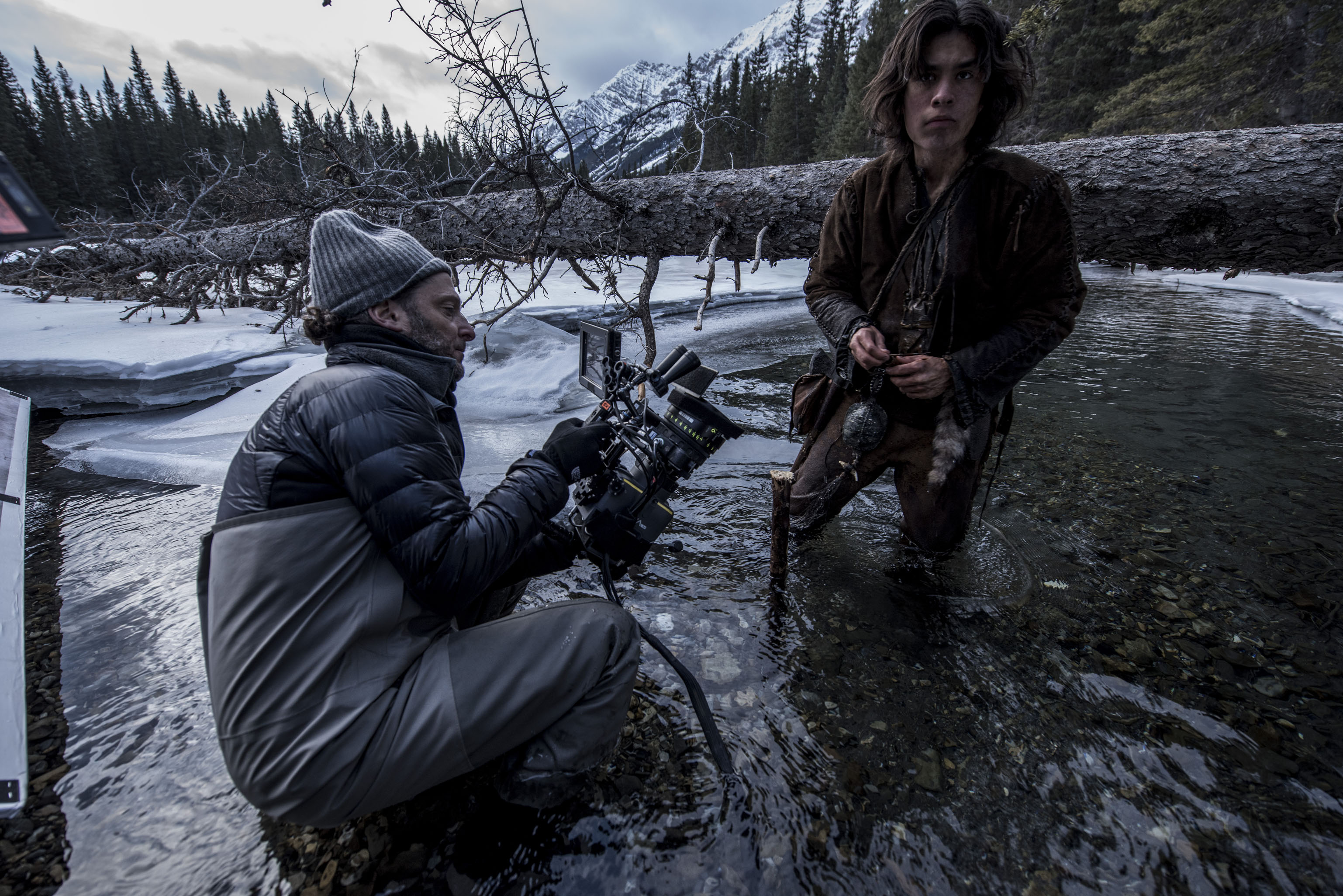
Contrary to the impression that "The Revenant" was shot entirely during magic hour, Lubezki clarified that this wasn't the case. The film often looked like magic hour because the sun was very low in the sky, especially in winter at northern latitudes. The surrounding mountains often blocked the sun, creating a dim, atmospheric light. They aimed to use as much available light as possible, even though the days were extremely short. While not every scene was shot during magic hour, it was used for specific moments where its mysterious and poetic quality was desired.
Finding the Right Mood and Atmosphere
Lubezki explained that different times of day and different locations can evoke various emotions. For "The Revenant," the connection between the character's journey and the natural environment was paramount. Iñárritu wanted to create atmospheres and moods that reflected the character's inner life. This required meticulous preparation, including extensive travel to scout locations and observing them at different times of day to understand their feel. Sometimes, a location that seemed ordinary initially would transform into something primordial and mysterious after waiting a few hours for the light and weather to shift.
This process wasn't simple; it involved a lot of homework and flexibility. They had to prepare for various conditions, knowing that a location scouted in good weather might look completely different during a snowstorm. Sometimes, they had backup plans, and other times, they had to adapt and find the scene within the given circumstances.
Long Takes and Immersive Storytelling
The film's extended, elaborate shots were achieved through two main methods: extensive rehearsal and improvisation. For many scenes, especially in the first half of the movie, they rehearsed for over a month. These rehearsals were crucial for developing the film's visual language, blocking, and determining the necessary equipment. Improvisation also played a significant role, leading to some beautiful, unexpected moments. Lubezki noted that the goal of these long takes, like the bear attack sequence, was to immerse the audience in the action, making them feel present in the moment. The challenge, he admitted, is when the technique becomes too noticeable, potentially pulling the audience out of the experience. The hope is that the general audience gets lost in the journey, while film specialists might appreciate the technical craft.
The Impact of the Shoot Experience
Lubezki emphasized that the harsh conditions of the shoot were intentional. They wanted the physical suffering and the experience of being in that environment to translate into the film's spirit. He drew parallels to films like "Children of Men" or "Fitzcarraldo," where the actors' real experiences in difficult situations added a layer of naturalism and authenticity that couldn't be replicated on a soundstage. Despite the hardships, they knew the payoff would be immense, and that the experience would be visible on screen.
The Role of Wide-Angle Lenses
Lubezki discussed the frequent use of wide-angle lenses, even in close-ups. This choice was driven by the desire to keep the audience immersed and to constantly connect the characters with their surroundings. Wide-angle lenses allow for greater depth, making the environment a palpable presence. Even in tight shots, the audience can still feel the vastness, the changing light, the wind, and the cold. This constant reminder of the environment was vital for Iñárritu's vision, creating a sense of looking through a clear window into this world. He also mentioned Iñárritu's fondness for "elastic shots" – moving from an objective to a subjective perspective and back – further plunging the audience into the film's reality.
Artistic Instinct Over Rules
Lubezki highlighted that there are no strict rules for how long a shot should be; it's all guided by instinct and the director's vision. He praised Iñárritu's incredible instinct for telling a story with minimal dialogue and taking the audience on a journey without spoon-feeding them information. This willingness to take risks and achieve such a feat speaks to Iñárritu's brilliance. Lubezki also acknowledged the collaborative nature of their work with directors like Alejandro G. Iñárritu, Alfonso Cuarón, and Terrence Malick, noting that their drive is not to push boundaries for the sake of it, but to find the unique and specific language that best suits each film. They aim to avoid repetition unless the story demands it.
The Significance of Natural Light in Storytelling
Reiterating the difficulty and importance of using natural light, Lubezki stressed that it requires the full support of the director, who must see light as an elemental part of storytelling. For him, light is like a fabric that holds the mood and atmosphere of the entire film. While not the only important element, it significantly shapes the dramatic feel of a scene. Many filmmakers use light merely to ensure visibility, overlooking its dramatic potential. Iñárritu, however, understood and utilized light as a crucial element in creating the world and drama of "The Revenant."
Awards and Artistic Motivation
When asked about winning consecutive cinematography awards, Lubezki expressed gratitude, seeing it as validation from his peers that his experimental approaches and instincts were on the right track. However, he was quick to emphasize that awards are not the primary motivation for making films. The true purpose, he believes, is to transport audiences, to touch them, and to create experiences that resonate deeply. He recalled his own childhood moviegoing experiences, focusing on being transported and moved, rather than on awards or box office numbers. This is the core of what he strives to achieve with his work.
Let’s keep in touch.
Please reach out with any questions or lets create something beautiful together!