Why Ratios Control Emotion
Lighting ratio is emotional shorthand.
Low contrast = comfort, safety, approachability
High contrast = tension, mystery, complexity
Before you light a frame, the ratio has already been decided:
Is this intimate?
Is this gritty?
Is this commercial?
Is this documentary realism?
The DP’s Real Job: Maintaining Ratios Across an Entire Production
Anyone can light a pretty shot.
A DP’s real discipline is matching contrast and tone throughout the project.
This matters most when jumping between:
interior ↔ exterior
different locations
different weather
morning ↔ afternoon
days apart
If ratios drift, emotion drifts, and the film feels visually inconsistent.
My on-set workflow:
I choose a “base ratio” for the entire project (ex: 4:1 soft natural).
I document it in my prep and communicate it to my gaffer.
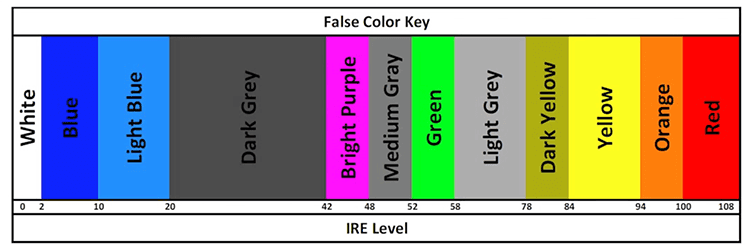
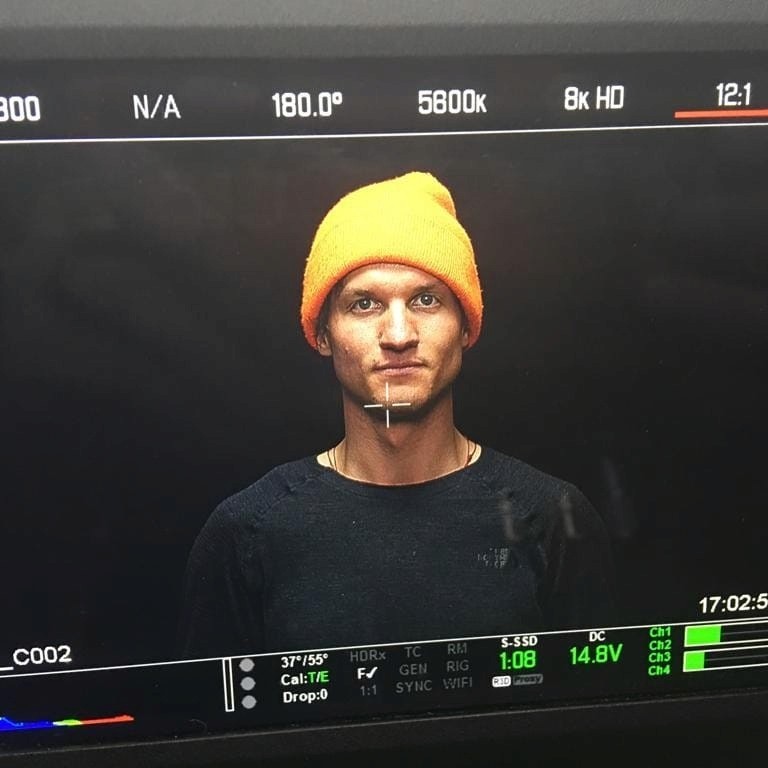
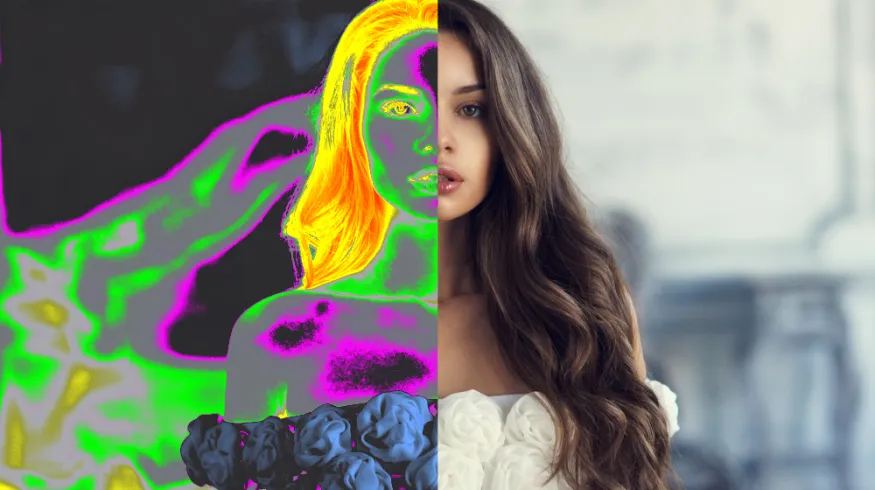
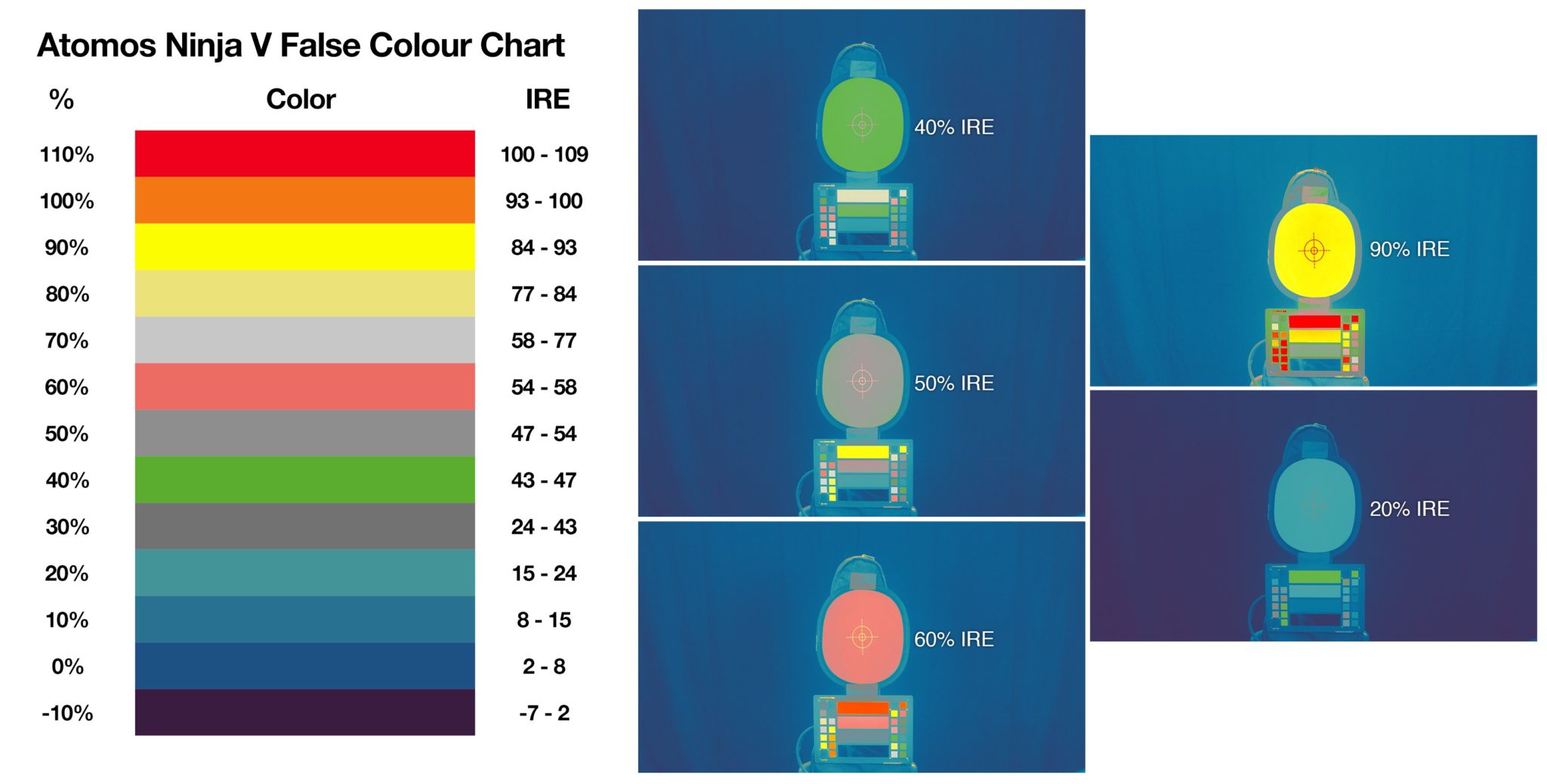
I check EL and FALCE COLOR regularly for skin placement.
I use neg fill or bounce to maintain consistency fast.
This removes guesswork and locks the film’s emotional tone in place.
Why Ratios Matter Even More Outdoors
Shooting outdoors — especially in Colorado’s harsh, high-altitude sun — naturally gives you extreme lighting ratios (often 12:1+).
The craft is not fighting the sun, but shaping it:
Use the sun as backlight
Bring in bounce for consistent key
Add neg fill to keep depth
Work diffusion overhead when possible
Consistency day-to-day is everything in outdoor filmmaking.
Color Grading Loves Consistent Ratios
Colorists will tell you:
The hardest films to grade are the ones with inconsistent contrast.
When ratios vary:
skin tones shift
grain reacts differently
highlights roll off inconsistently
LUTs fall apart
The Biggest Mistake Younger DPs Make
Lighting what “looks good” in the moment, rather than what will look consistent in the edit.
Your lighting ratio is more important than your lighting gear.
Gear changes. Weather changes. Locations change.
But ratios should stay grounded in the emotional goals of the film.
My 5 Questions Before Lighting Anything
Before I start placing stands or shaping windows, I ask:
What emotional tone does the brand/story want?
What contrast reinforces that tone?
Where should skin tones fall on the waveform?
How will this ratio translate across different locations?
Can we maintain it over multiple shooting days?
Lighting becomes intentional, not reactive.
Final Thoughts: Ratios Are the Grammar of Cinematography
Lighting ratios give structure to emotion.
They are:
the glue between scenes
the foundation of mood
the basis of visual continuity
the difference between “pretty” and “purposeful”
When you master ratios, you stop guessing and start designing emotion.
Once you understand the grammar of contrast, you can write visual poetry.
Every DP has that one moment when light stops being “brightness” and becomes a language. For me, it happened on a branded doc shoot years ago. We were moving fast, jumping between interiors and harsh noon exteriors. Everything looked “fine,” but nothing felt cohesive. The edit came back, and I could instantly see it — the contrast changed scene to scene. The emotion didn’t land because the lighting ratios were drifting.

Let’s keep in touch.
Please reach out with any questions or lets create something beautiful together!